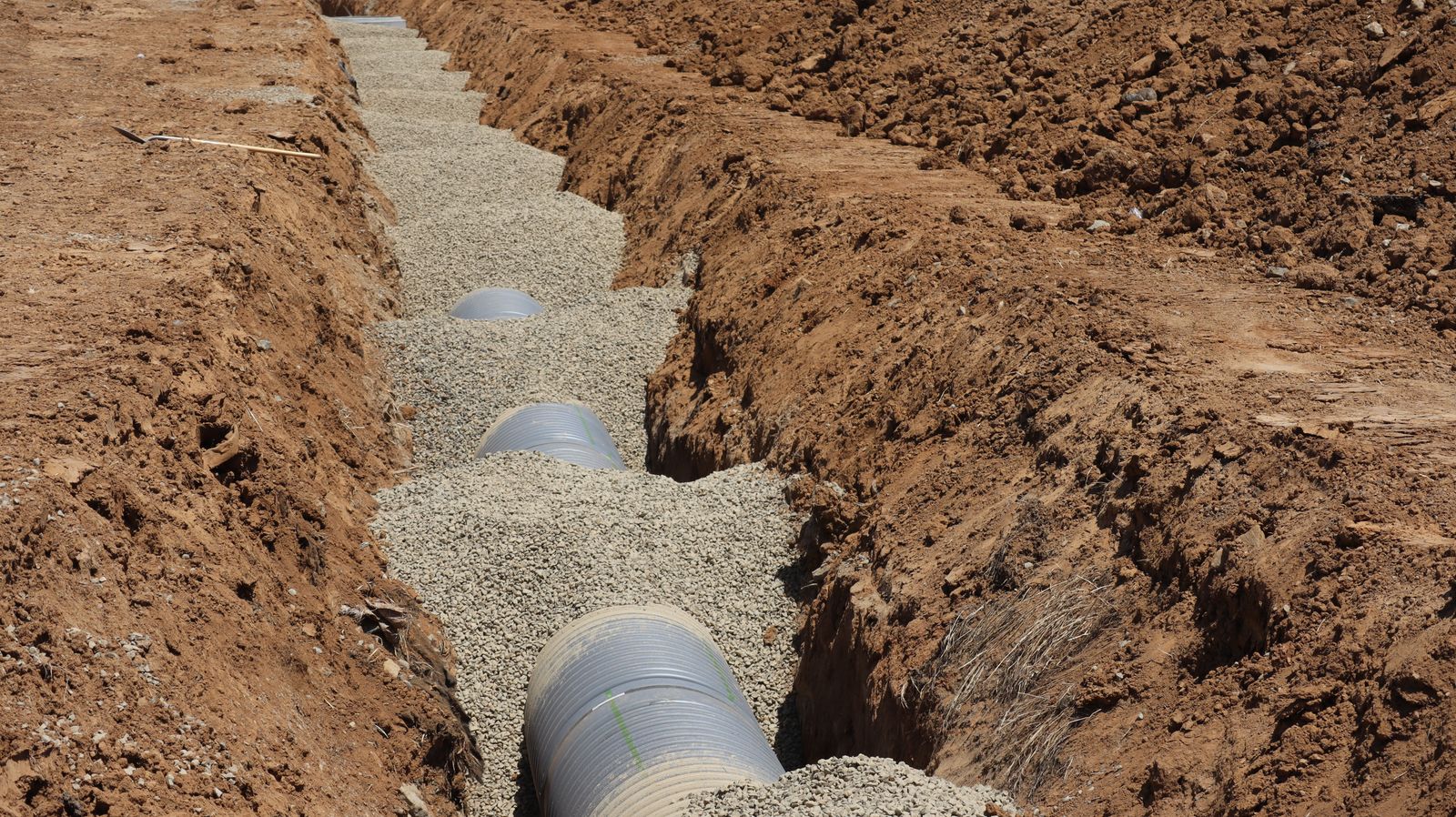
What a sewer cleanout is
A cleanout is a short vertical pipe with a threaded cap that connects to your sewer line. It usually sits outside, near the house or along the lateral, and sometimes inside a basement or crawlspace. When the cap comes off, a technician can run a cable, a jetting hose or a camera straight into the line.
Without one, access means going in through a roof vent or pulling a toilet, which is slower and can risk damage. A cleanout makes the line serviceable, so it is one of the most useful small additions you can make to a sewer system.
Whether the goal is to install sewer cleanout access on a line that has none or to add an outdoor sewer cleanout near the house, the idea is the same: one capped opening that gives the pro a way in.
Why sewer cleanout installation in Asheboro is worth considering
- Faster clearing, because the technician can reach the line directly
- Camera work that starts at the line, not inside the house
- A way to check from the cleanout whether sewage is moving during a backup
- Less mess, since nothing needs to be pulled up indoors
- A cleaner starting point for any repair work
For homes with older pipe or large trees nearby, a cleanout often pays for itself the first time the line needs service.
Not sure if you have a cleanout?
Tell the pro what you have found around the house.
Ask about adding accessSigns your house needs a cleanout
The clearest sign is that you cannot find one. Look for a capped pipe near the foundation, in the yard along the line or in the basement. If a technician had to pull a toilet or go through the roof the last time you had a clog, that is another sign.
Some houses have a cleanout that is buried, broken or capped with something that no longer unscrews. A pro can locate it and tell you whether it can be repaired, replaced or added to.
One-way or two-way: choosing the cleanout
A one-way cleanout opens toward one direction of flow, usually toward the public main. A two-way cleanout, sometimes called a double or wye cleanout, opens both ways, so the technician can reach the house side and the street side from the same point.
| Type | What it reaches | Good for |
|---|---|---|
| One-way | One direction of the line | Simple layouts with one run |
| Two-way | House side and street side | Backups where the blockage could be either way |
Where it goes depends on how the line runs, how deep it is and what is above it, and the pro can recommend the spot.
What the installation involves
The pro first locates the line, often with a camera, and decides where the cleanout should sit. The crew then exposes a section of the pipe, cuts in a fitting, sets the cleanout riser and cap, and backfills around it. A properly set cleanout rises to a safe height at or just below the surface and is protected from foot and mower traffic.
If the line is shallow, the job is small. If the line is deep, it may need a short trench, which the pro will explain before work starts. Rules on cleanout placement and permits vary, so ask the pro what applies to your job.
Pair the cleanout with a camera check
A new cleanout is the ideal entry point for a camera, and the two often go together. Our page on sewer camera inspection explains what the footage shows. Doing both in one visit means you leave with access and an answer about the condition of the pipe.
Cleanouts and repairs
If the camera shows damage, a cleanout is also useful for the repair that follows. Lining and bursting both need access points, and trenchless sewer repair is much easier when a cleanout is already in the right place. Adding one before or with the repair keeps the cost of future visits down.
What affects the price of a new cleanout
The price depends on how deep the line is, how much digging is needed, what the pipe is made of and what sits above it. A shallow line with an easy spot is a small job. A deep line under a driveway or walk is a bigger one, and the pro will say so after locating it.
You hear the plan and the price before any digging starts, and you can ask whether the figure includes restoring the ground around the new riser.
Looking after the cleanout
A cleanout needs very little. Keep the cap in place and the area around it clear so a technician can reach it quickly. Do not bury it under mulch, soil or landscaping, and mark where it is so nobody paves over it.
If you ever have a backup, tell the pro where the cleanout is, and leave the cap closed until they arrive, because opening it during a backup can release sewage.
Local rules and who is responsible
Where the cleanout may go and whether a permit is needed can depend on the work and the local rules. Ask the pro what applies to your job, and check with your city or sewer provider if the work touches the public side of the line.
The lateral from your house to the connection is usually the owner's responsibility, and a cleanout on that section is yours to add. The pro can help you work out where your section ends.
Cleanouts on Asheboro lots
The right spot depends on the lot. On small lots near older streets, space is tight and the line may be close to trees and walks. For homes in sewer line repair in Pinewood or sewer line repair in Oak Hollow West, the area pages explain how the pros there work. In every case, the pro will mark the line before picking a spot.
If you are buying, a missing cleanout is worth noting before closing. Our page on sewer scope before buying a house explains how a scan can show whether one is present and where it is.